FAQ
Straight answers on Zipwake
What it does, cost, sizing, PRO and upgrades, trim tabs and Seakeeper Ride, supply outside Queensland, and servicing.
What does Zipwake do?
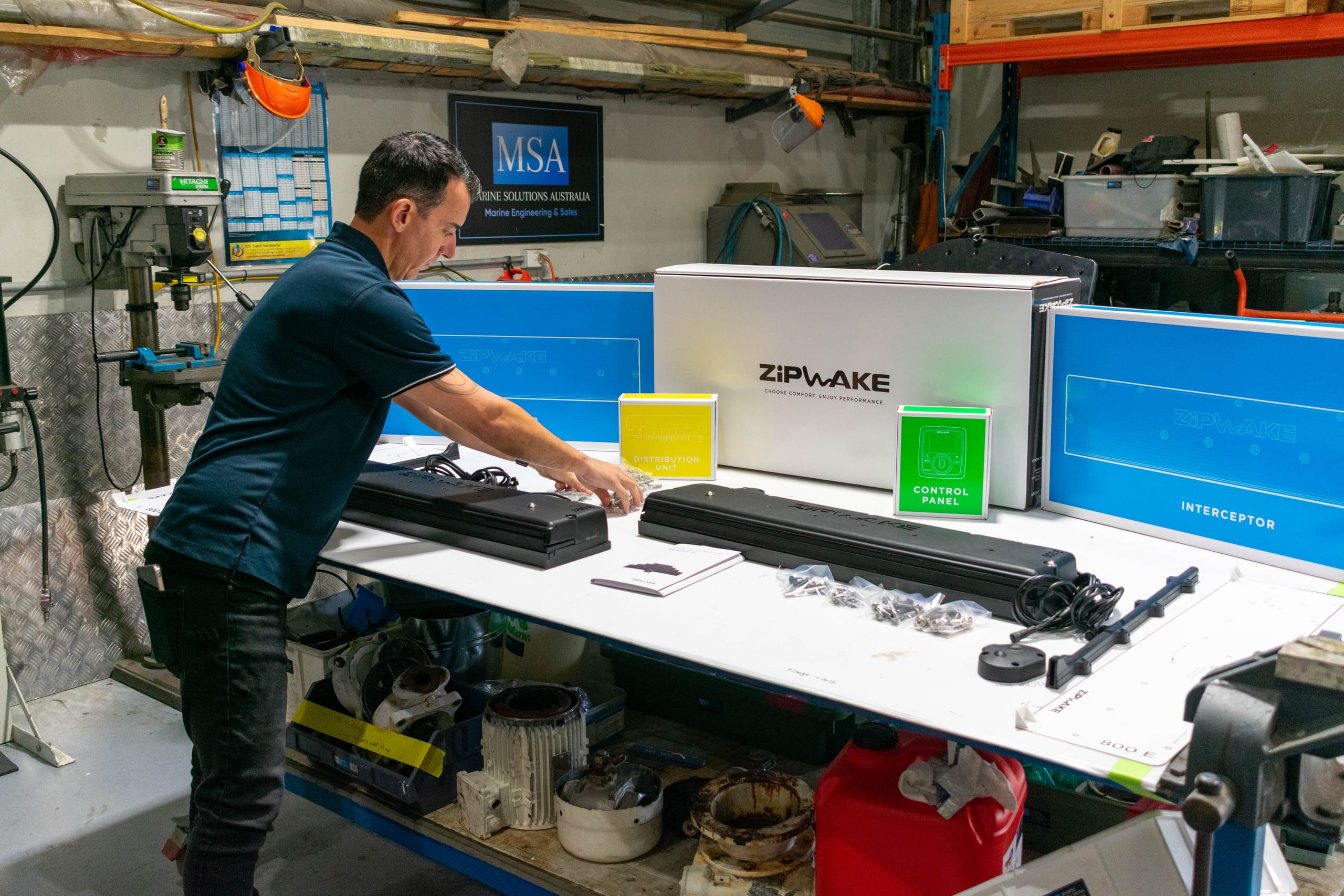
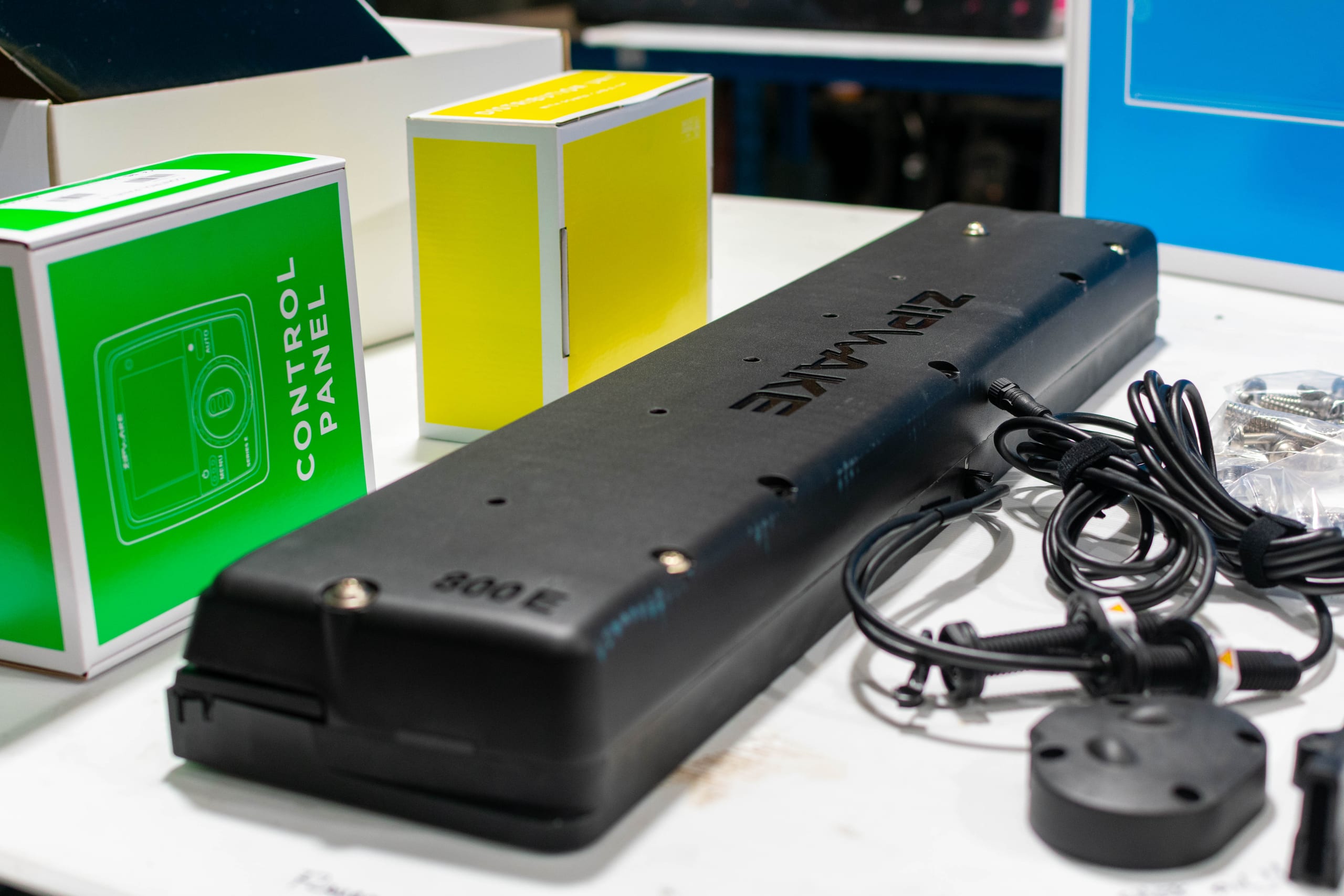
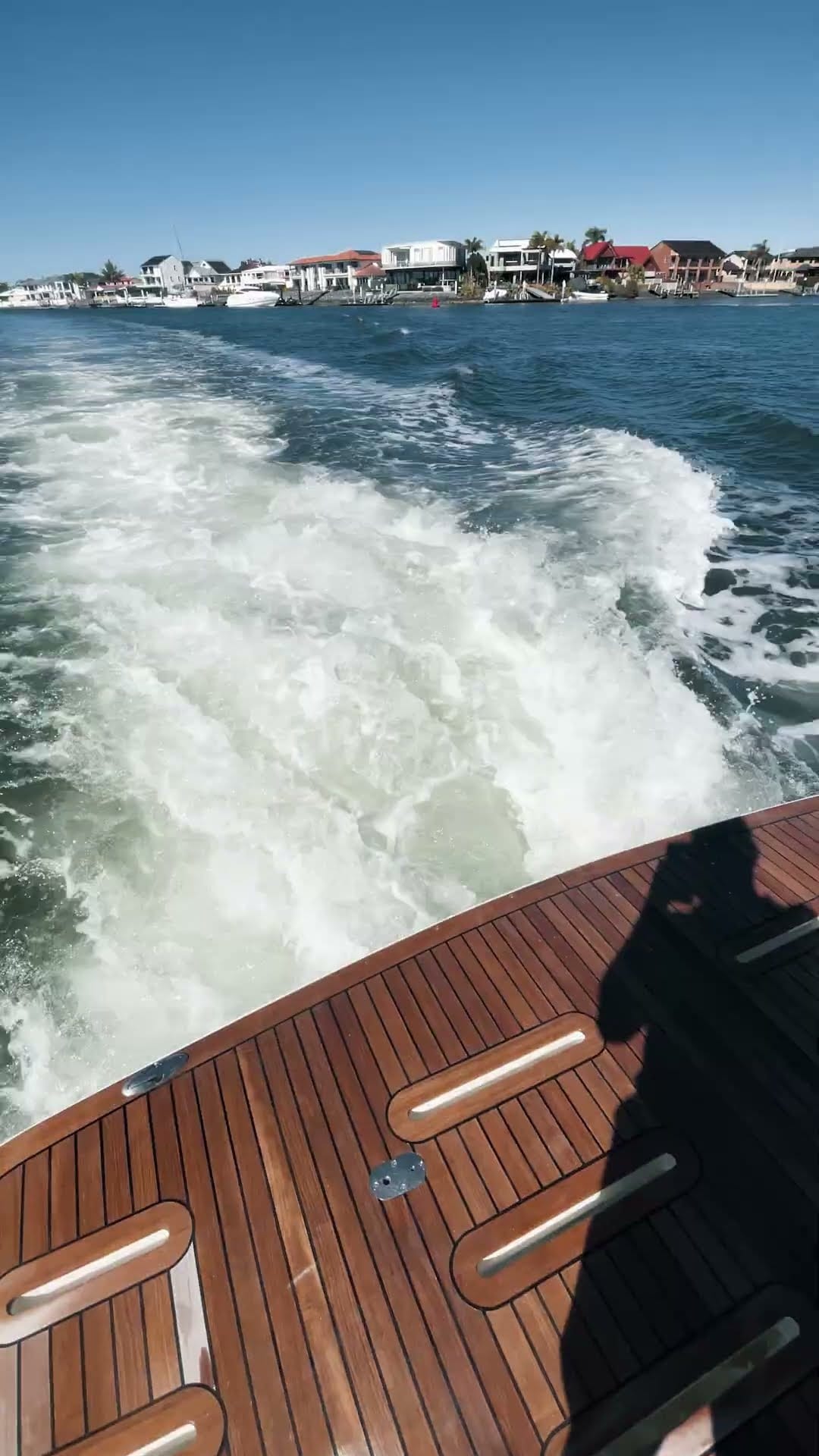
Zipwake is an automatic trim control system for planing and semi-planing vessels. Interceptor blades on the transom create lift at the stern, and the system moves them on its own: it holds the bow at a set running angle, levels the vessel when weight shifts to one side, and steadies it through turns. It does the job people buy trim tabs for, without the skipper working the switches.
How much does Zipwake cost?
We don’t publish prices, because the vessel sets most of the number. The series, how many interceptors and which shapes, whether it runs from a control panel or ties into the multifunction display, and how far the cables and power have to travel all change the job. Taking off an old set of trim tabs adds to it. Send us the make, model, length and drive layout and we will quote supply and fitting, or supply and freight if the vessel is being fitted elsewhere.
What size Zipwake do I need for my boat?
Length gets you to a series: Series S for vessels from 6 to 15 metres, Series E for vessels up to 30 metres. The interceptors come from the transom itself, its width, deadrise and chines, and the gaps between outboards or sterndrives. A chine interceptor gives roughly the lift of a straight one a size larger mounted further inboard, which is often how a crowded transom still gets enough lift. We work it out from the hull and drive details before we quote.
What is the difference between Zipwake and Zipwake PRO?
PRO is Zipwake’s newest generation, offered in both Series S and Series E. Zipwake quotes a full blade stroke in 0.3 seconds, which it describes as up to five times faster than before, and every PRO system includes Active Pitch Control, Active Roll Control and Balanced Turn, with no software tiers. The speed comes from new servo units and a new distribution unit, which is why an existing system can be upgraded without changing its interceptors.
Can I upgrade my existing Zipwake to PRO?
Yes. Zipwake’s PRO upgrade kit keeps your interceptors and your control panel or Integrator Module, replaces the distribution unit and the servo units, and loads the PRO software onto the panel or module. There are kits for Series S and Series E systems. We can supply the kit on its own, or fit it and set the system up again on the water.
Is Zipwake better than trim tabs?
For a vessel that needs constant correction, usually yes. An interceptor responds far faster than a hinged tab, and a Zipwake system adjusts itself while you drive. Conventional tabs cost less and are simpler, and on a vessel that only needs the bow brought down at cruise they do the job well. If your tabs work and the vessel rides the way you want, keep them. If you are forever reaching for the switches, or the vessel leans with every change of wind and load, that is where Zipwake makes the difference.
Is Zipwake better than Seakeeper Ride?
They are two answers to the same problem. Seakeeper Ride uses rotary blades mounted below the waterline on each side of the transom, for vessels up to about 55 feet. Zipwake uses interceptor blades, and its Series E goes up to 100 feet. We are an authorised Zipwake dealer, so weigh our view with that in mind. What we would look at is your transom, your drive layout and the length of the vessel, and if Zipwake is not the right fit we will say so.
Do you supply Zipwake outside the Gold Coast?
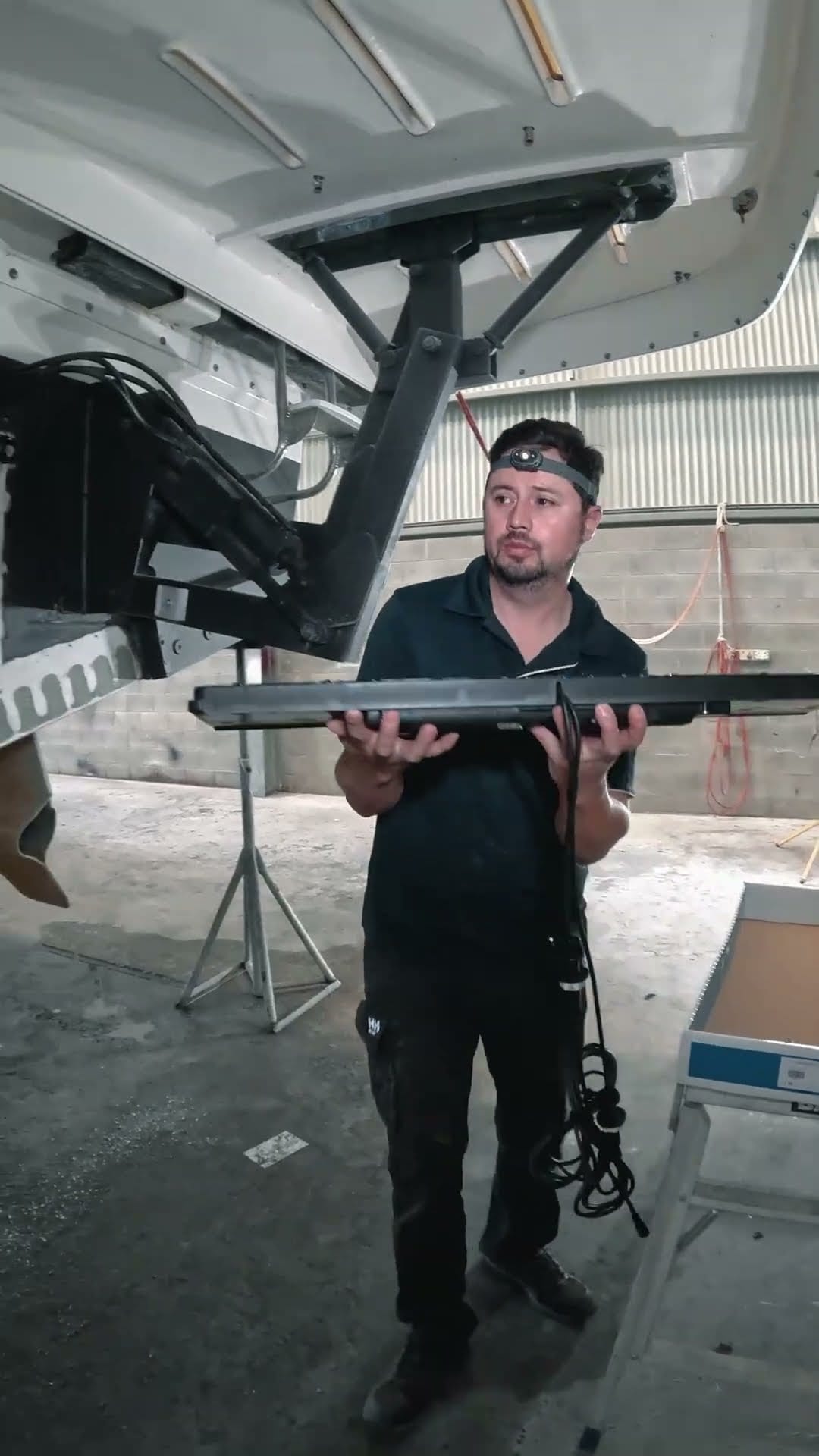
Yes. As an authorised dealer we supply Zipwake kits, PRO upgrade kits and genuine parts anywhere in Australia, with freight quoted alongside the supply. Fitting and sea trials are done from Gold Coast City Marina, Coomera. If the vessel is coming north for the season anyway, our delivery skippers can bring it to us and the system can go on while it is here.
Do you service Zipwake systems you didn’t install?
Yes. We service and repair Zipwake systems whoever fitted them: servo units, cables, the distribution unit, and the control panel or Integrator Module software. It helps to know what the system is doing before we come aboard, whether that is a fault message on the panel, one interceptor not moving, or a vessel that no longer holds its trim.