FAQ
Marine plumbing & sanitation, asked and answered
What a sanitation system includes, mobile service, fixing smells and blocked toilets, bleach, toilet types, seacocks, cost, and fresh-water plumbing.
What does a marine sanitation system include, and what do you service?
A marine sanitation (black-water) system is everything that takes waste from the heads and contains or discharges it safely: the toilet itself (manual, electric or vacuum), the discharge and vent hose, a three-way diversion valve, a macerator pump, the holding tank with its level sender, vent and odour filter, and the seacocks for raw-water flush and overboard discharge. We install, service and repair all of it, plus the fresh-water and hot-water plumbing, bilge and wash-down systems, and the below-waterline through-hulls and seacocks that tie in. We work on recreational boats, commercial vessels and superyachts, and we service systems we supplied as well as those fitted by others.
Do you offer mobile boat plumbing on the Gold Coast?
Yes. Blocked toilets, odour and hose work, pump swaps, tap and fresh-water faults and on-board servicing is done dockside by our mobile teams across the Gold Coast and South East Queensland, so the boat doesn’t have to move, and we travel to jobs across Queensland and New South Wales, including private docks and marinas, when the job requires it. A full sanitation re-plumb, a holding-tank install or below-waterline seacock and through-hull replacement comes into our Coomera workshop at Gold Coast City Marina, because that work needs the boat hauled out.
How do I stop my marine toilet or boat from smelling?
Boat smell is almost never the toilet itself, it’s usually permeated sanitation hose, a blocked or dry tank vent, or a holding tank that isn’t venting and discharging properly. Over time cheap or ageing discharge hose lets odour pass straight through the wall, and no amount of cleaning fixes that. We diagnose where the smell is actually coming from, renew any permeated hose in proper marine-grade line, clear and improve the tank venting and fit an odour filter, and check the tank is discharging and pumping out as it should, so the boat stops smelling rather than just being masked with chemicals.
How do you fix a blocked boat toilet?
First we locate the blockage. Most boat-toilet blockages are in the discharge hose due to scale or hardened waste, a seized macerator, or a perished joker valve rather than the bowl. We clear the blockage, renew choked hose or rebuild the pump and valve as needed, then remake the joints with new clamps. The toilet is tested through to the tank and overboard before handover. If the toilet itself is worn out, we’ll quote a rebuild kit or replacement before doing the work.
Can you use bleach in a marine toilet?
It’s best avoided. Strong bleach and harsh household cleaners attack the rubber seals, joker valves and pump diaphragms in a marine toilet and shorten their life, and they can damage the holding-tank treatment. For routine cleaning use a marine-toilet-safe treatment, and for odour the real fix is sorting the hose and venting rather than tipping in chemicals. If your heads are already smelling or sticking, we can service the toilet, renew the seals and treat the system properly.
What types of marine toilet are there, and which is best for my boat?
There are three common types: manual (hand-pumped), electric (push-button flush with a macerator), and vacuum (a vacuum generator pulls waste to the tank). Manual heads are simple, reliable and use little water, which is useful for smaller boats or a back-up. Electric heads suit most cruisers and motor yachts. Vacuum systems use very little water and resist odour over long hose runs, making them suitable for larger yachts and multi-head vessels. The right choice depends on your boat, the number of heads, available water and power, and the hose runs. We can recommend, supply, install and commission the system that fits.
Do you replace seacocks and through-hull fittings?
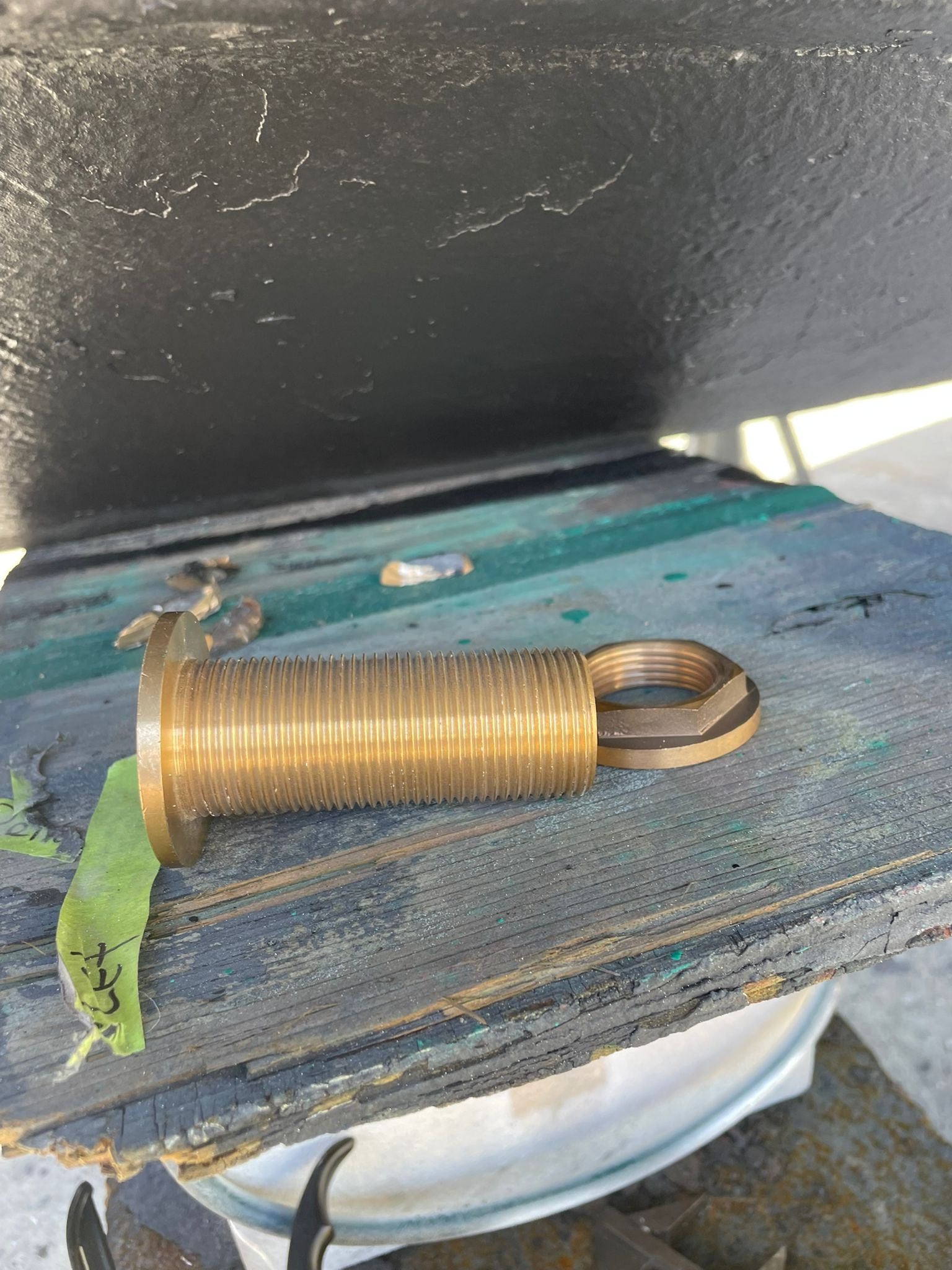
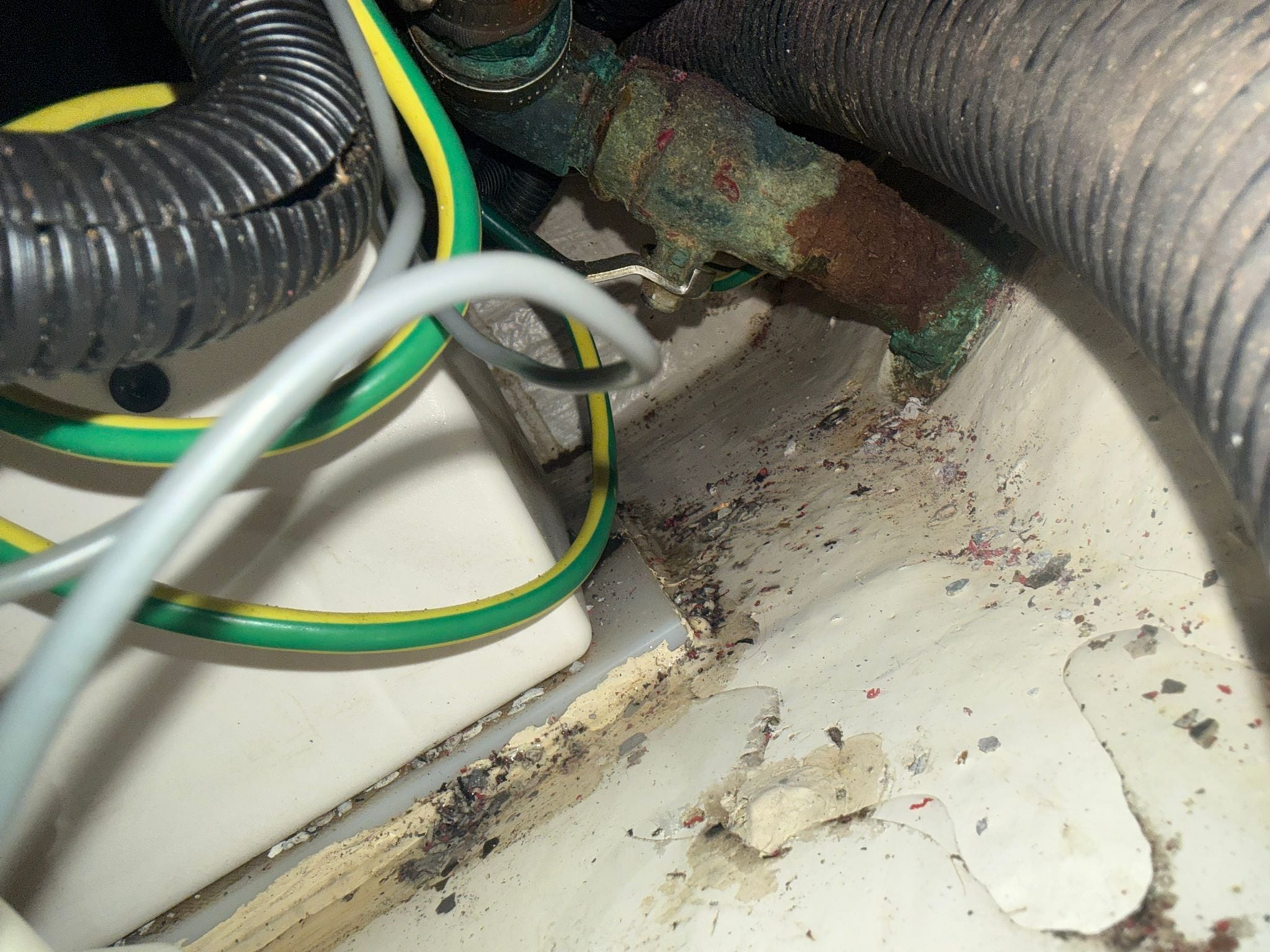
Yes. This is important work because a corroded or seized seacock below the waterline is a real sinking risk. We inspect, service and replace seacocks, through-hulls and skin fittings in bronze or composite, bed them in marine sealant, bond them correctly for galvanic protection, and pressure-test every fitting before the boat goes back in the water. These faults are often found during other work. A recent sanitation repair uncovered a badly corroded seawater-intake seacock that could have flooded the vessel; our marine sanitation & seacock case study explains how we handled it.
How much does marine plumbing or a boat toilet repair cost?
The job decides the number, and with plumbing the biggest swing is whether the boat stays in the water. Clearing a blocked head dockside is a small job with an estimate up front. A sanitation re-plumb, a new holding tank or a below-waterline seacock replacement means a haul-out and a written quote before we start, with the parts, the hose runs and how accessible the system is filling out the rest. Call 07 5612 7161 with your vessel and what it’s doing; the first thing we’ll work out is which side of that line your job sits on.
Do you handle fresh-water and hot-water plumbing as well as sanitation?
Yes. Along with black-water sanitation, we install and service pressure pumps and accumulators, fresh-water tanks, taps, showers, filtration, and calorifier or hot-water systems. We also handle bilge pumps, raw-water wash-down and deck plumbing. If you’re fitting a Spot Zero water-maker or water purifier, we can plumb that in too; see our water systems range. One team can take care of the full plumbing scope.