
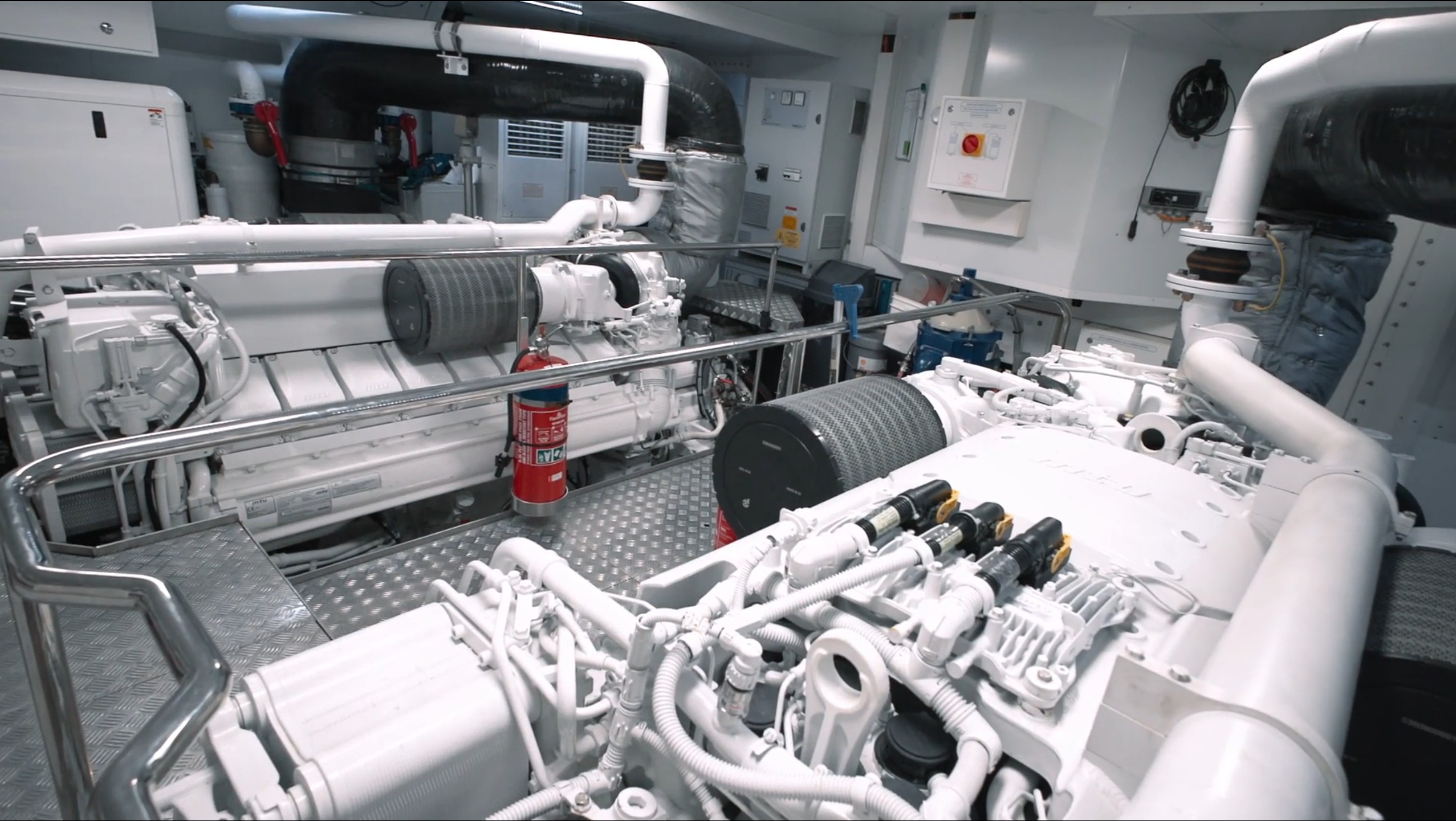
Boat Repower & Engine Replacement, Gold Coast
Tired, thirsty or unsupported engine? We repower inboard diesel and outboard vessels at Gold Coast City Marina, from honest assessment through engine selection, installation and alignment to commissioning and sea-trial. One engineering team, one accountable job.
5.0 From 26 Google reviewsMarine engine repower on the Gold Coast
Marine Solutions Australia repowers and re-engines boats from Gold Coast City Marina, Coomera, replacing worn, inefficient or unsupported engines with modern power on recreational, commercial and superyacht vessels across South East Queensland, and travels to jobs across Queensland and New South Wales, including private docks and marinas, when the job requires it.
A repower is one of our two core specialisms, alongside marine electronics and electrical, and we treat it as a complete engineering job, not a straight swap.
It starts with an honest assessment; sometimes the right answer is a rebuild rather than a repower. If it is a repower, we power-match the new engine to your hull, handle the removal, engine beds, and shaft and gearbox alignment, and tie the fuel, cooling, exhaust, electrical and control systems back in to manufacturer specification.
Single inboard diesels, twin-engine cruisers, outboard re-rigs and repowers folded into a wider refit are all commissioned and sea-trialled before sign-off, with ongoing servicing and spares support. If the question is whether to stay with the drive you have, our inboard, outboard or sterndrive guide sets out how each layout ages and what changes when you switch.
A repower planned around the whole vessel
Plenty of workshops will drop an engine in. A repower lives or dies on what happens around it, sizing, engine beds, shaft and gearbox alignment, ancillaries and commissioning.
Our qualified marine engineers do the whole job in-house at Gold Coast City Marina, work to manufacturer specification, and project-manage larger repowers as part of a wider refit. We repower with and service all major engine brands, and sea-trial every job before sign-off.
Qualified engineers · Manufacturer spec · All brands · Sea-trialled & signed off
Repower, rebuild or replace the boat?
Rising fuel use, poor reliability, scarce parts, tighter emissions rules or a tired engine may point to a repower, but rebuilding can still be the better option. Here is how repowering, rebuilding and replacement compare, and we’ll recommend the best fit for your vessel.
New engine, existing vessel
Makes sense when the hull and drivetrain are sound but the engine is tired, thirsty or no longer supported. The outcome is modern, efficient power, a fresh warranty and a real lift in value.
- Cost: a fraction of a new vessel
- Downtime: weeks of yard time
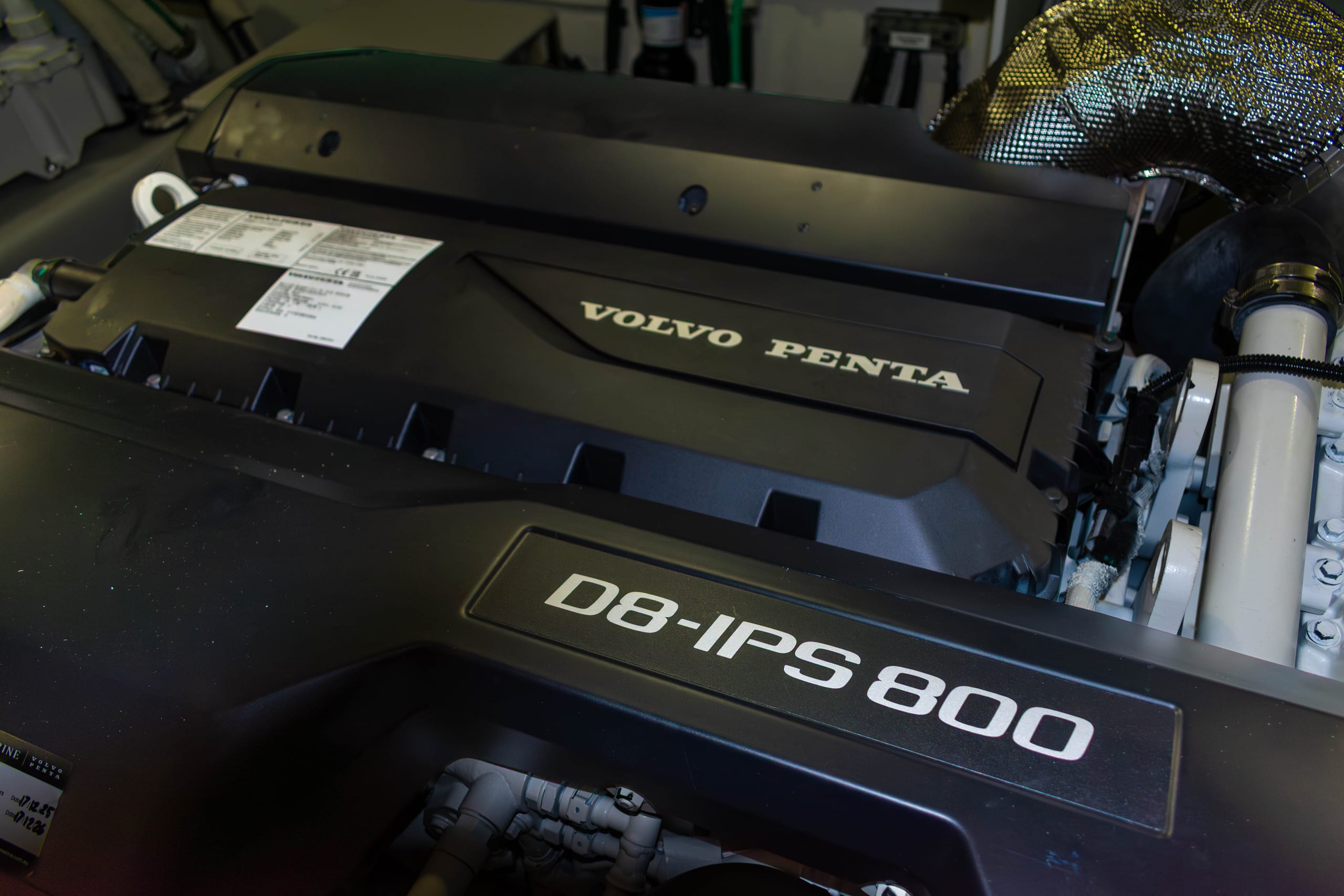
Overhaul the existing engine
Makes sense when the engine is fundamentally good, low-hours and parts are still available. It restores the engine you have, with the same technology and fuel economy.
- Cost: lowest upfront
- Downtime: days to weeks
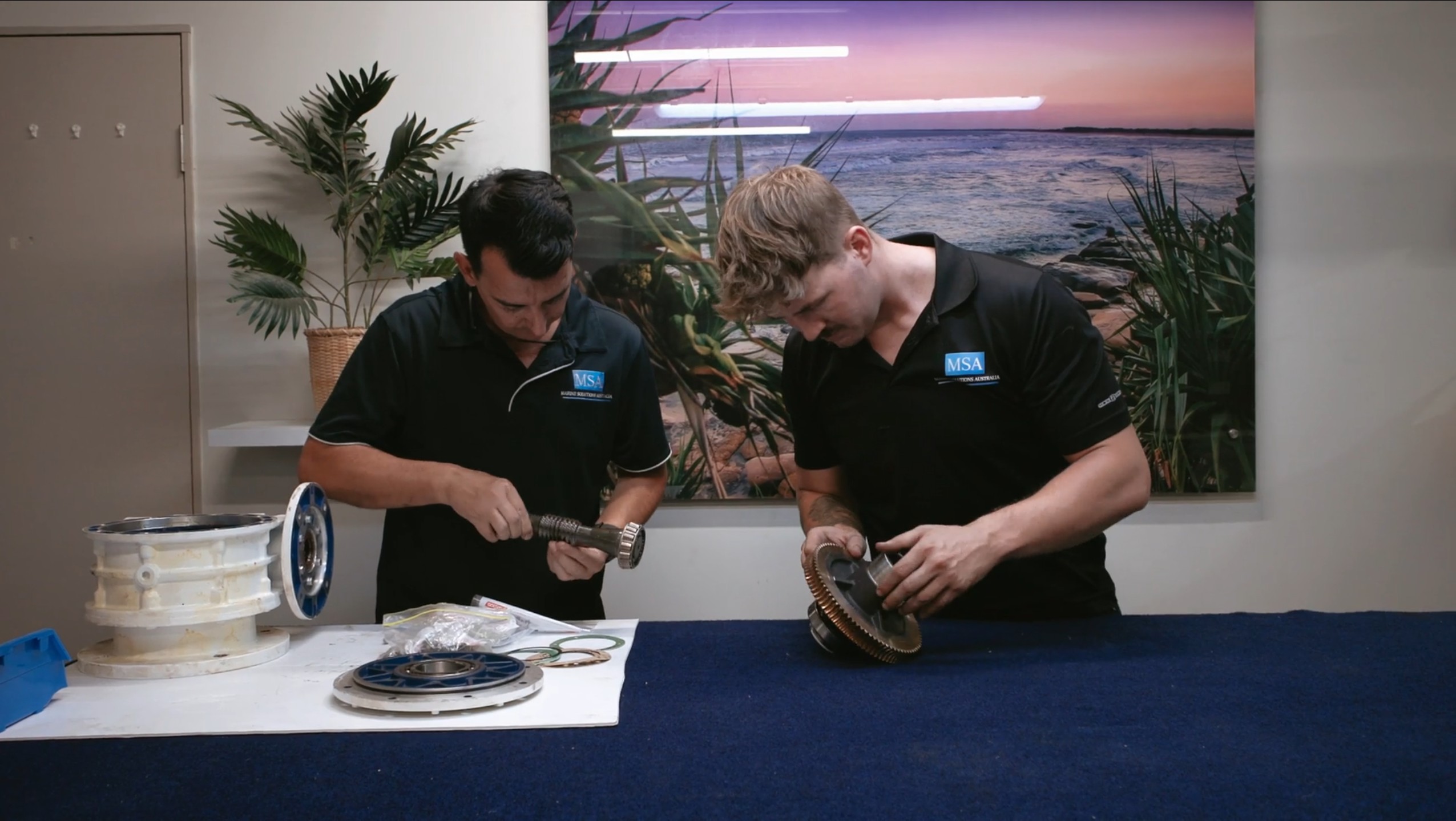
Replace the vessel
Makes sense when the hull is tired or wrong for you, or a repower approaches the vessel’s value. Everything is new, at the highest cost and on the longest timeline.
- Cost: highest
- Downtime: longest
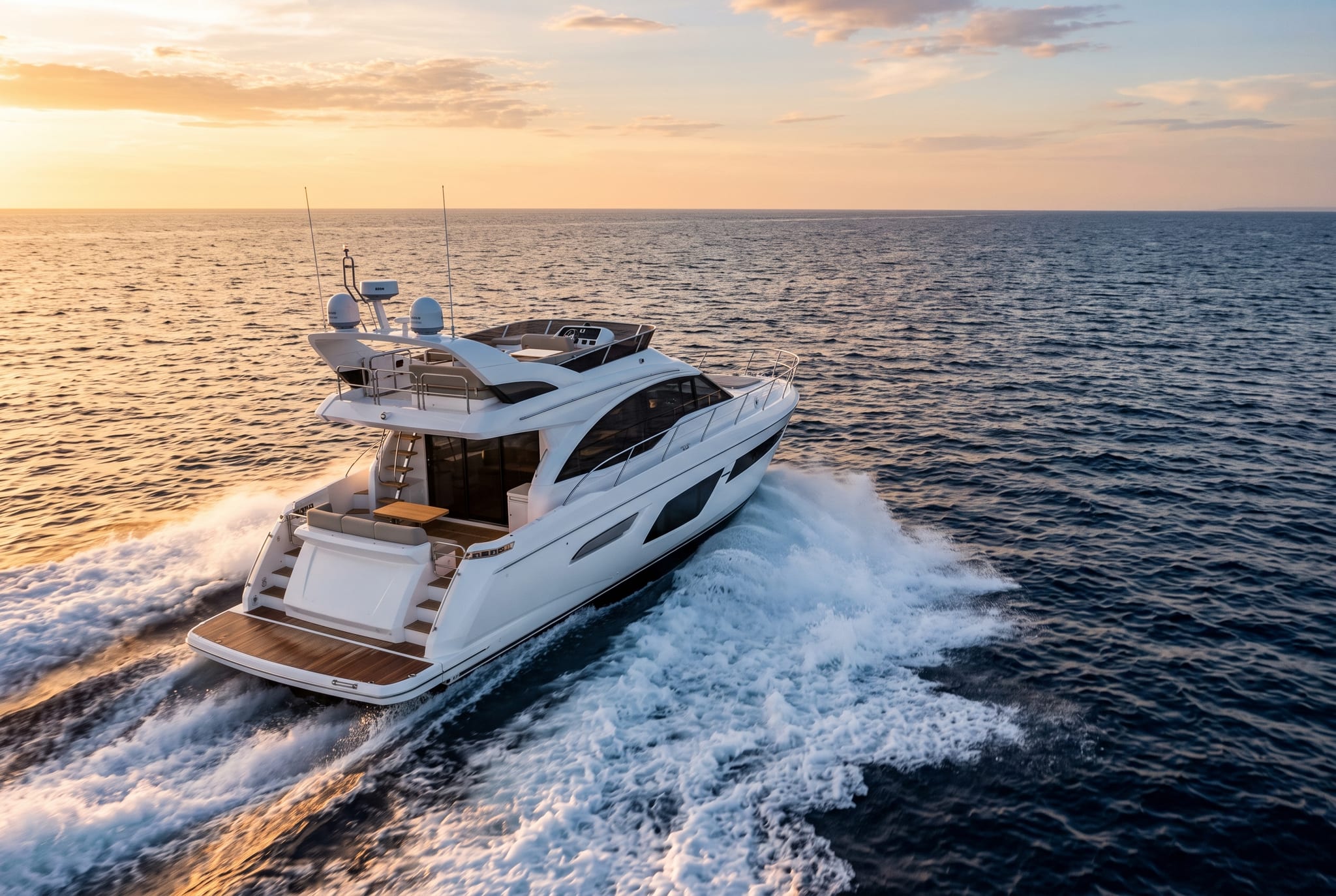
From assessment to sea-trial
A repower is a sequence of jobs that each have to be right. We handle all of them in-house, so there’s one team accountable from the first survey to the day you take the boat back out.
-
Assessment
We survey the engine bay, drivetrain, fuel, cooling, exhaust and electrical systems, then give an honest recommendation: repower, rebuild or neither.
-
Engine selection
Sized to the hull, displacement, propeller, gearbox ratio and how you run the vessel, balancing usable power, emissions, warranty and cost.
-
Removal & engine beds
Old engine out and the bay inspected. Engine beds and mounts fabricated or modified to suit, on fibreglass, steel and alloy hulls.
-
Installation & alignment
New engine coupled to the shaft or drive, with shaft, coupling and gearbox alignment set precisely and re-checked under load.
-
Systems tie-in
Fuel, raw-water and closed-circuit cooling, wet exhaust, electrical, charging and engine controls re-integrated to manufacturer specification, without bodged adapters.
-
Commissioning & sea-trial
Every repower is bled, run up, load-tested and sea-trialled against the engine curve, then handed over with documentation and a service schedule.
Diesel inboard or outboard, we repower both
Most of our repowers are inboard diesels. Outboard boats come through too, usually as a re-rig along with the engine. The hull decides the engine in both cases.
Inboard Diesel Repower
Our core work, shaft-drive, pod/IPS and saildrive repowers on cruisers, flybridge motor yachts, commercial vessels and superyachts. A diesel repower is a full engineering job: engine beds, alignment, gearbox, ancillaries and engine-room re-integration, handled in-house at Gold Coast City Marina and managed as a project from start to sea-trial.
Outboard Repower & Re-rig
Single and multi-rig outboard repowers on trailer boats, centre consoles and tenders, new powerheads, rigging, controls and binnacles, fuel and battery upgrades and the rigging tube and transom work to suit. We match the engine to the hull’s rating and set it up to perform.
We repower with and service all major marine engine and outboard brands, including Yanmar, Volvo Penta, Cummins, Caterpillar, Scania and Yamaha. None of them is a badge we have to sell. The job is to put the right engine in your boat for how you actually use it, then support it.
New onboard power often pairs with a generator upgrade, new electronics and electrical work, thruster and stabiliser work or hydraulic steering and controls while the boat’s already in the shed.
What drives a repower quote
A repower quote is built from a short list of things that move it. Here’s what we look at, and why we quote to the boat rather than off a list.
The engine, and how many
Engine size, brand, emissions tier and whether it’s a single or twin install is the biggest line. We power-match to your hull rather than over-spec, because a bigger engine isn’t a better one if the boat can’t use it, and a right-sized engine is cheaper to buy, run and maintain.
What changes around it
Engine beds and mounts, shaft, coupling and gearbox alignment, and re-integrating fuel, cooling, exhaust, electrical and control systems are where a repower is won or lost. If the new engine’s footprint, ancillaries or controls differ from the old, that’s engineering time, and skimping on it is exactly what shortens a repower’s life.
Access & the rest of the boat
A deep engine room that needs furniture, tanks or hardware removed to lift the old unit adds labour. We’ll also flag anything we find while the bay is open, corrosion, tired hoses, an insurance-related issue, so you can decide what to do while it’s the cheapest it’ll ever be to fix.
Repower vs a new boat
For most owners a repower lands at a fraction of replacing the vessel, and it buys modern economy, reliability and warranty in a hull you already know and like. We’ll be straight with you if a repower stops making sense against the boat’s value, but more often than not, re-engining a sound boat is the smart money.
Repowers & refits in the shed
Engine rooms, alignments and refits, from the Gold Coast City Marina shed and the mobile teams.
Repower questions, before you commit
Cost factors, repower versus rebuild, how long it takes, changing engine brand, survey and compliance, and outboard versus inboard.
How much does it cost to repower a boat?
The honest range is wide, and it’s quoted to the vessel rather than the engine alone. The biggest factors are the engine itself (size, number of engines, brand and emissions tier), whether it’s an inboard diesel or an outboard, and how much changes around it: engine beds and mounts, shaft, coupling and gearbox alignment, and the fuel, cooling, exhaust, electrical and control systems that tie in. Access matters too. A deep engine room that needs hardware removed to lift the old unit adds labour. We assess the boat and quote in writing before any work begins; call 07 5612 7161 for a realistic range for your vessel.
Repower vs rebuild, which is right for my engine?
If the engine is fundamentally sound, relatively low-hours and parts are still available, a rebuild or overhaul is usually the cheaper, faster path and we’ll tell you so. A repower makes more sense when the engine is high-hours or worn beyond economical repair, when parts or support have dried up, or when you want better fuel economy, lower emissions, quieter running and a fresh manufacturer warranty. We assess the engine and the whole drivetrain first, then give you an honest recommendation rather than defaulting to the bigger job.
How long does a repower take?
It depends on the vessel and engine availability. Once the engine is on hand, a straightforward single-engine inboard repower is typically a matter of weeks in the yard; twin-engine, superyacht or heavily customised installations take longer, especially where engine beds, exhaust or electrical systems need rework. Engine lead time is often the longest part, so we order early and plan the yard time around your season. We’ll give you a realistic schedule with the quote.
Can you repower with a different engine brand than the original?
Yes. A different brand may be the better choice when the original is no longer supported, parts are difficult to source, or your needs have changed. We match the replacement to the hull, propeller and gearbox, then account for the beds, mounts, alignment, ancillaries, electrical system and controls. We repower with and service all major marine engine and outboard brands.
Will a repower affect my vessel’s survey or compliance?
For commercial and survey vessels it can, which is exactly why it should be engineered and documented properly. We work to manufacturer specification, keep the installation, alignment and commissioning records, and coordinate with surveyors so the repowered vessel meets its requirements, including emissions and safety standards. It’s the same rigour we bring to superyacht and insurance work, and it protects both compliance and resale value.
Do you handle outboard repowers as well as inboard and diesel?
Yes. Inboard diesel repowers for shaft, pod and saildrive vessels are our specialism, and we also re-power and re-rig outboard boats. That work can include engines, rigging, controls, fuel, batteries, and changes to the transom or rigging tube. We size, fit, commission and sea-trial single-outboard and twin-diesel installations.
Didn’t find your answer? Call 07 5612 7161 (Mon to Fri 8:30am-4pm) or contact us. We’re happy to talk it through.

Repower, rebuild or replace: get a straight answer
Sometimes the right advice is to keep the engine you have. Bring us the vessel, the engine and how you use it, and the assessment will say so plainly either way. If a repower stacks up, the same team sizes, supplies, installs, commissions and sea-trials the new engine.