
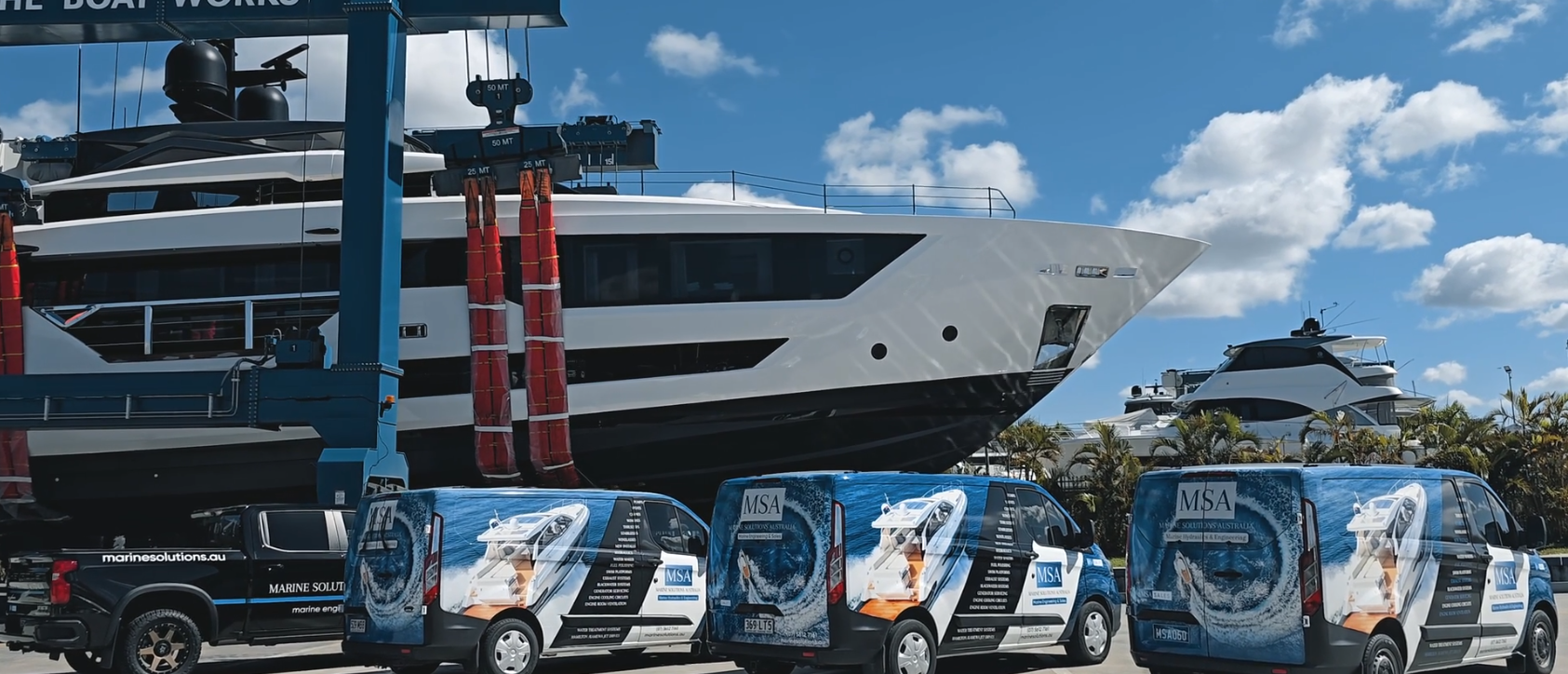
Bow Thrusters & Stabilisers, Gold Coast
Bow and stern thrusters, fin and gyro stabilisers and ride-control systems, supplied, installed, commissioned and sea-trialled at Gold Coast City Marina. Marine Solutions Australia is an authorised dealer for Sleipner Side-Power and Zipwake, and services every other major brand.
5.0 From 26 Google reviewsBow thruster and stabiliser installation on the Gold Coast
Marine Solutions Australia supplies, installs, services and repairs bow and stern thrusters, fin and gyro stabilisers and ride-control systems from Gold Coast City Marina, Coomera. We are an authorised dealer for Sleipner Side-Power and Zipwake, and we service every other major brand, on recreational, commercial and superyacht vessels across South East Queensland.
We also travel to jobs across Queensland and New South Wales, including private docks and marinas, when the job requires it.
A thruster or stabiliser is only as good as its installation. Performance comes down to correct sizing, sound tunnel or hull work, the right electric or hydraulic drive, clean control integration and proper commissioning, which is why we size, fit, calibrate and sea-trial every system we supply.
We recommend the right approach for a new bow thruster, stabilisers for comfort at anchor and underway, or service work on an existing system.
The recommendation accounts for the hull and how you use the vessel, and the completed work carries a 1 Year Warranty on labour with ongoing servicing and spares support.
You can see that service work in practice in our stabiliser & bow thruster overhaul case study, where both fin shafts and a saltwater-contaminated thruster gearbox were rebuilt during a four-week hardstand and signed off on sea trial.
Why fit your Side-Power system through Marine Solutions Australia
As an authorised Sleipner Side-Power dealer we supply and install genuine thrusters and stabilisers, with factory-backed warranty and technicians trained on the product, not a workshop fitting a brand it doesn’t know. We size, install, commission and back every system with ongoing servicing and spares support, and we service the other major brands too.
Genuine parts · Factory warranty · Trained installers · All brands serviced
Thrust and stability are engineered, not bolted on
The unit on the invoice is the smaller half of the job. Sizing, hull work, drive, controls and commissioning decide whether the system performs when you need it, so we handle every part of it in-house.
Correct Sizing
Thruster and stabiliser performance depends on matching thrust and fin or rotor capacity to the vessel’s displacement, windage and berthing conditions. We account for real operating conditions so the bow holds in a cross-wind and the boat remains steady when needed.
Tunnel & Hull Work
Fitting a tunnel thruster means cutting, glassing and fairing the hull, or fabricating mounts for an external or retractable unit. We do the structural work properly across fibreglass, steel and alloy hulls, with anodes and fairing that protect the hull and keep drag down.
Electric or Hydraulic Drive
Smaller vessels usually run DC electric thrusters; larger yachts and continuous-duty stabilisers favour hydraulic drive off a powerpack or PTO. We specify the right drive, size the batteries or hydraulics, and integrate it cleanly with the systems already on board.
Controls & Integration
Joystick docking, proportional control, hold and auto functions and helm integration, we wire and commission the controls so the system is intuitive under pressure, and tie thrusters, stabilisers and trim into one predictable handling package.
Commissioning & Sea-trial
Every install is bled, calibrated, load-tested and sea-trialled before sign-off. We tune fin gain and gyro response to the vessel, confirm thrust and run-time, and record the results on the water.
Genuine Parts & Warranty
We fit genuine Sleipner Side-Power units and parts, backed by factory warranty and technicians trained on the product, so the install protects your warranty and your vessel’s value.
Fin, gyro or interceptor: comfort at anchor, comfort underway, or trim
The right stabilisation depends on the hull, how you cruise and whether comfort matters most at anchor or underway. We can recommend one system or a combination.
Fin stabilisers, at anchor and underway
Hydraulically or electrically actuated fins on the hull counter roll, and we supply Sleipner Side-Power systems. Fins need through-hull fittings and generally give more roll reduction at speed than a gyro.
- Best for: displacement and planing motor yachts
- At anchor: yes, with zero-speed fins
- Underway: excellent roll reduction
- Drive: hydraulic or electric
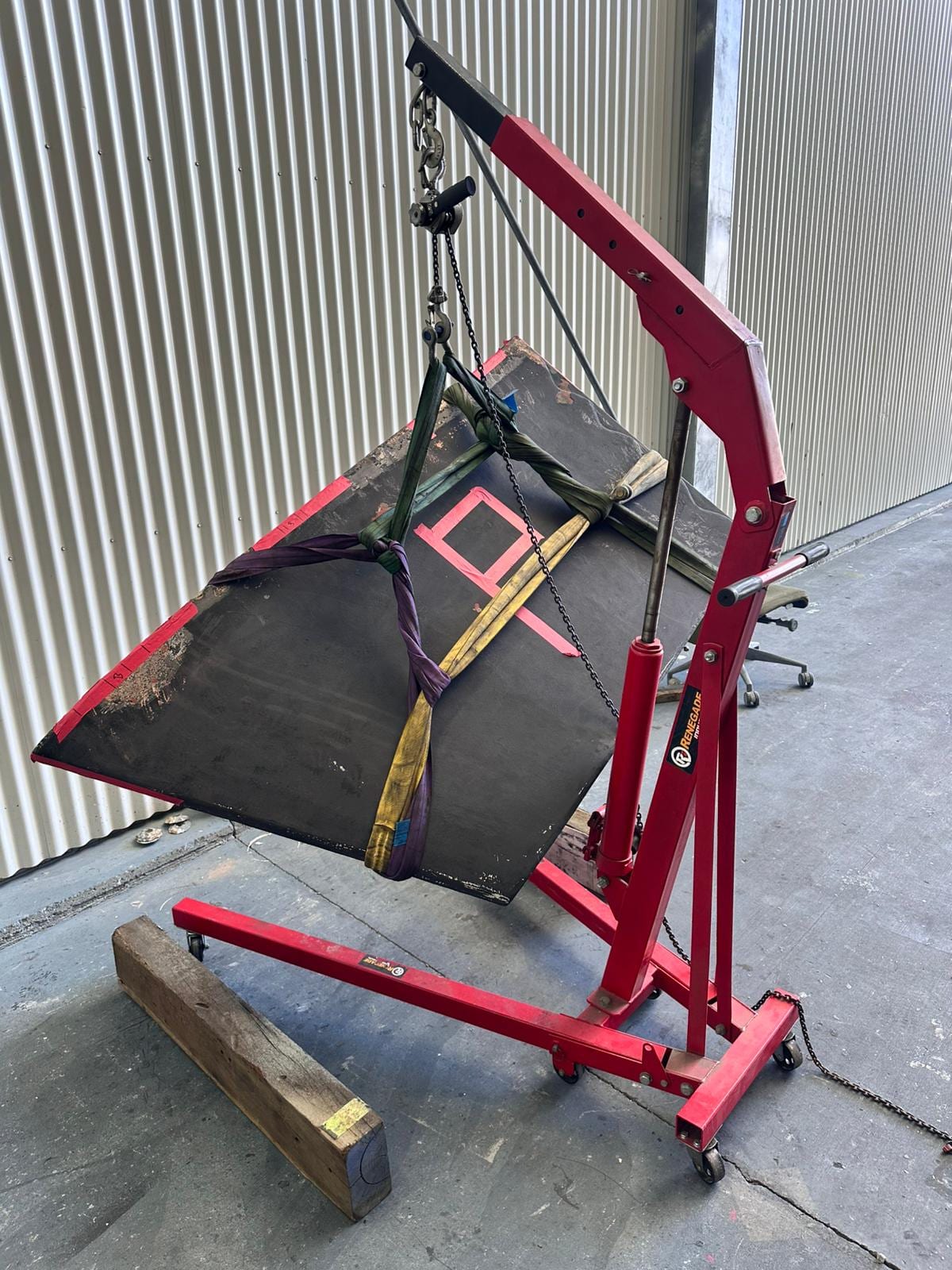
Gyro stabilisers, with no hull penetration
A sealed spinning flywheel mounted inside the vessel, with no through-hull fittings. It is simpler to retrofit than fins and suits owners who want no external appendages.
- Best for: any hull, no through-hull fittings
- At anchor: excellent
- Underway: good, eases at speed
- Drive: electric flywheel

Interceptors and ride control
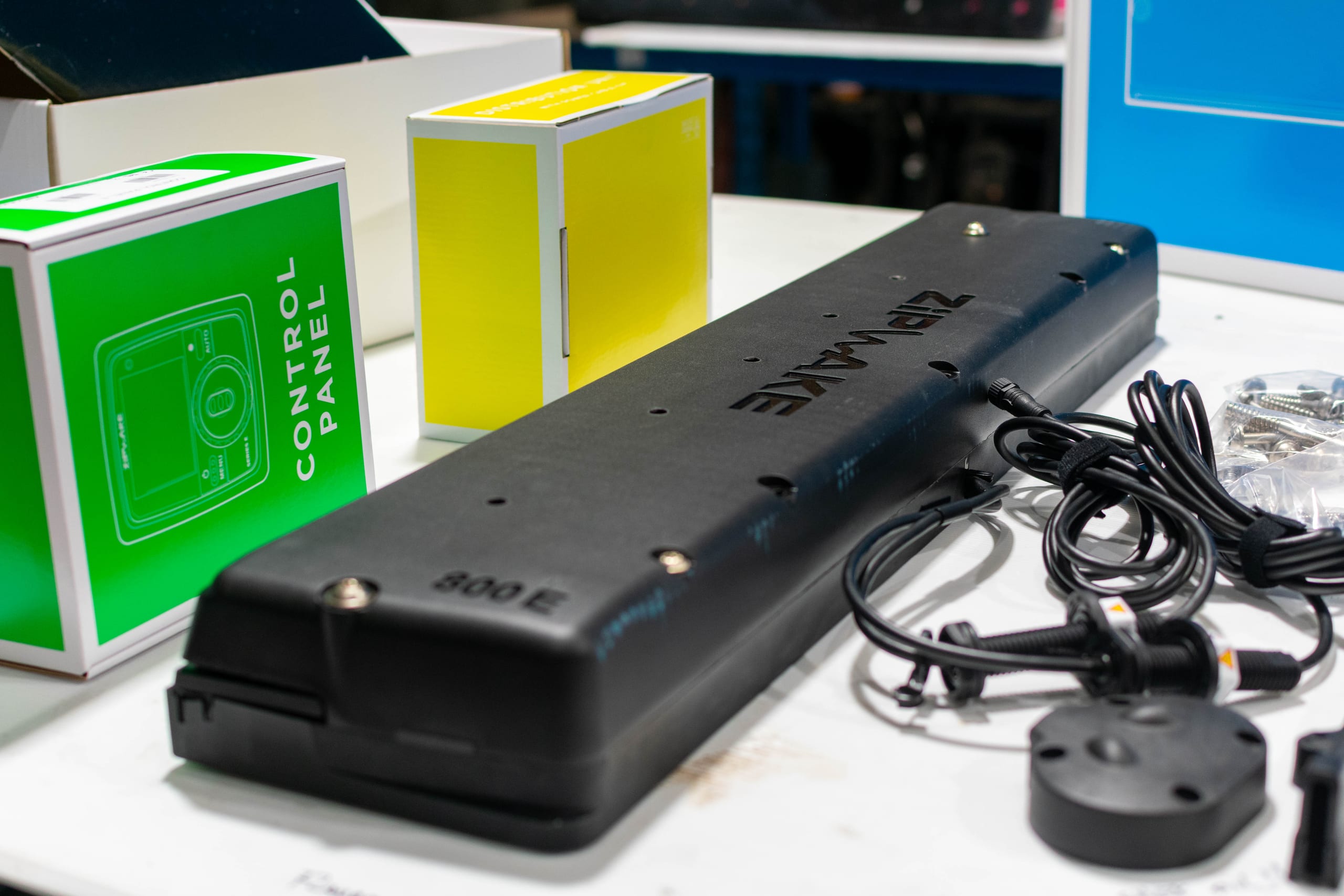
Zipwake and similar interceptor systems sharpen handling, list, pitch and dynamic trim on planing hulls, and pair well with a thruster and stabiliser package. Ask us how they work together on your hull.
- Best for: planing hulls, trim, list and pitch
- At anchor: no
- Underway: dynamic trim and ride
- Drive: electric blades
Rolling at anchor, or rolling underway?
The answer points at different hardware. Fins earn their keep on passage and at zero speed; a gyro works anywhere and needs no hull penetration. Say which one bothers you more and we’ll narrow the options from there.
Choosing the right thruster
A few decisions worth getting right before you commit. We’ll walk through all of it with you, here’s the short version.
Start with the vessel, not the part
The right thruster comes from your vessel’s displacement and windage and how you berth, a high-sided flybridge cruiser in an exposed marina needs more thrust than its length alone suggests.
We work out the thrust your boat actually needs in the wind and current you face, then match the unit and tunnel size to it, so it’s effective without being overkill.
Tunnel, external or retractable?
A tunnel thruster is the most common, a transverse tube through the hull with the prop inside, quiet and protected, but it needs enough forefoot depth.
An external thruster bolts to the hull where a tunnel won’t fit. A retractable unit drops down only when needed for zero drag underway, ideal on sailing yachts and performance hulls. We assess which your boat can take and recommend accordingly.
Electric or hydraulic drive?
DC electric thrusters are simple and cost-effective for short bursts on most recreational boats, sized correctly, with the battery capacity to back them. Hydraulic drive suits larger vessels, longer run-times and boats already running a powerpack for hydraulic steering, stabilisers or deck gear, giving continuous thrust without flattening the batteries.
Installation matters as much as the unit
Tunnel fairing, anode protection, electrical or hydraulic tie-in, control wiring and proper commissioning all decide how well, and how long, the system performs. The hardware is the easy part to buy.
That is why we install, calibrate and sea-trial everything we supply, then sign it off. The same care applies to a repower or wider refit project where the system is fitted as part of wider works.
Ongoing servicing and spares support
We size, supply, install, commission and service each system, including equipment from every major brand.
Sizing & Selection
We assess your vessel, berth and how you cruise, then recommend the right package, bow, stern, fin, gyro or interceptor, neither under- nor over-specified.
Genuine Supply
Factory-supplied Sleipner Side-Power thrusters and stabilisers with manufacturer-backed warranty, plus access to all major brands when that’s the right fit for the boat.
Installation & Commissioning
Tunnel and hull work, drive and electrical or hydraulic tie-in, controls, calibration, load-test and sea-trial, handled in-house and dockside from Gold Coast City Marina.
Service & Repair, All Brands
Scheduled servicing, fault diagnosis, seal and gearleg rebuilds and breakdown support, on the systems we supplied and on every other brand, including Vetus, Lewmar and Quick.
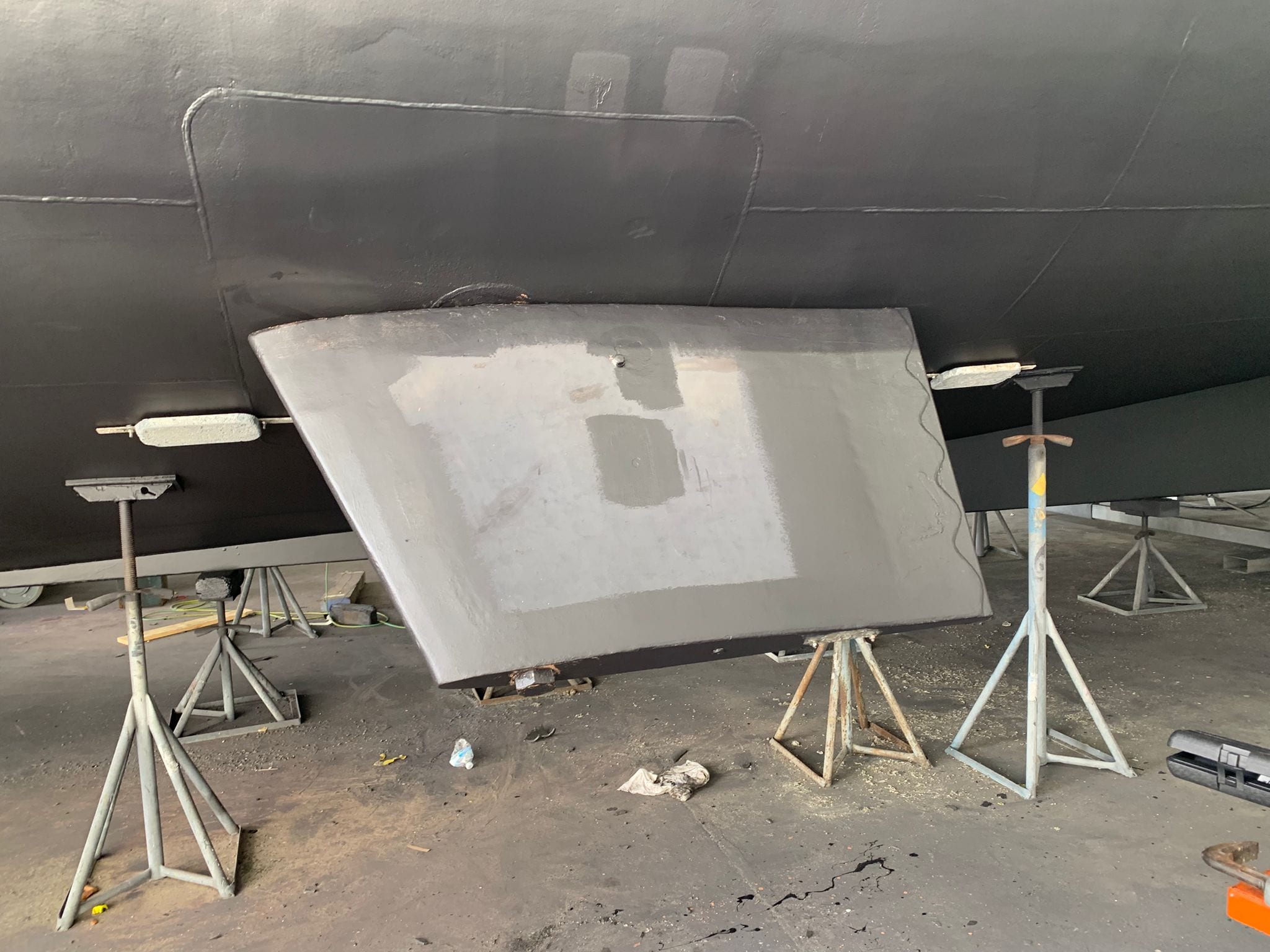
Engineering in action
Refit, install and commissioning work from our Gold Coast City Marina workshop and mobile teams, including storm and impact repairs handled through our insurance work.
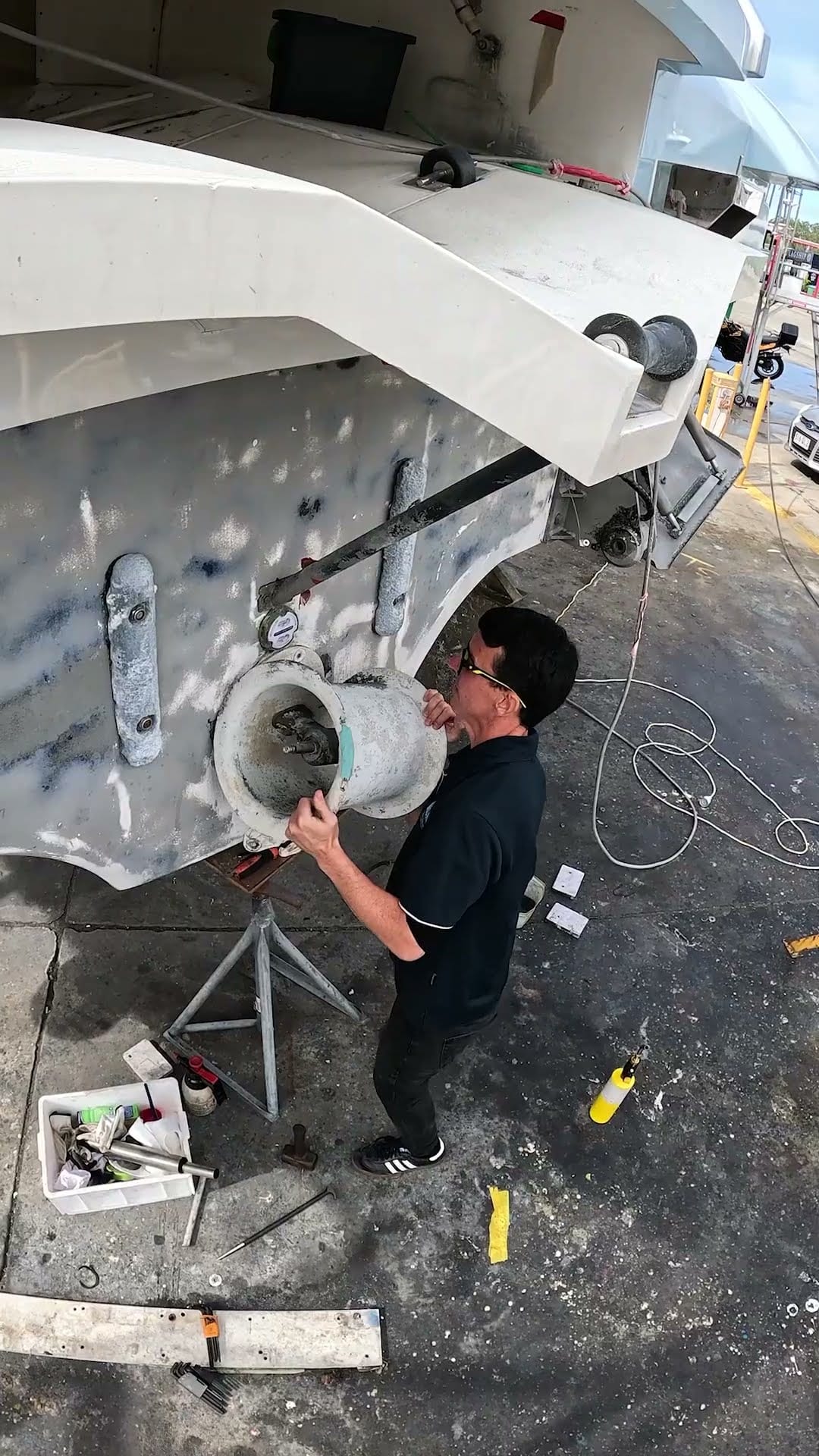
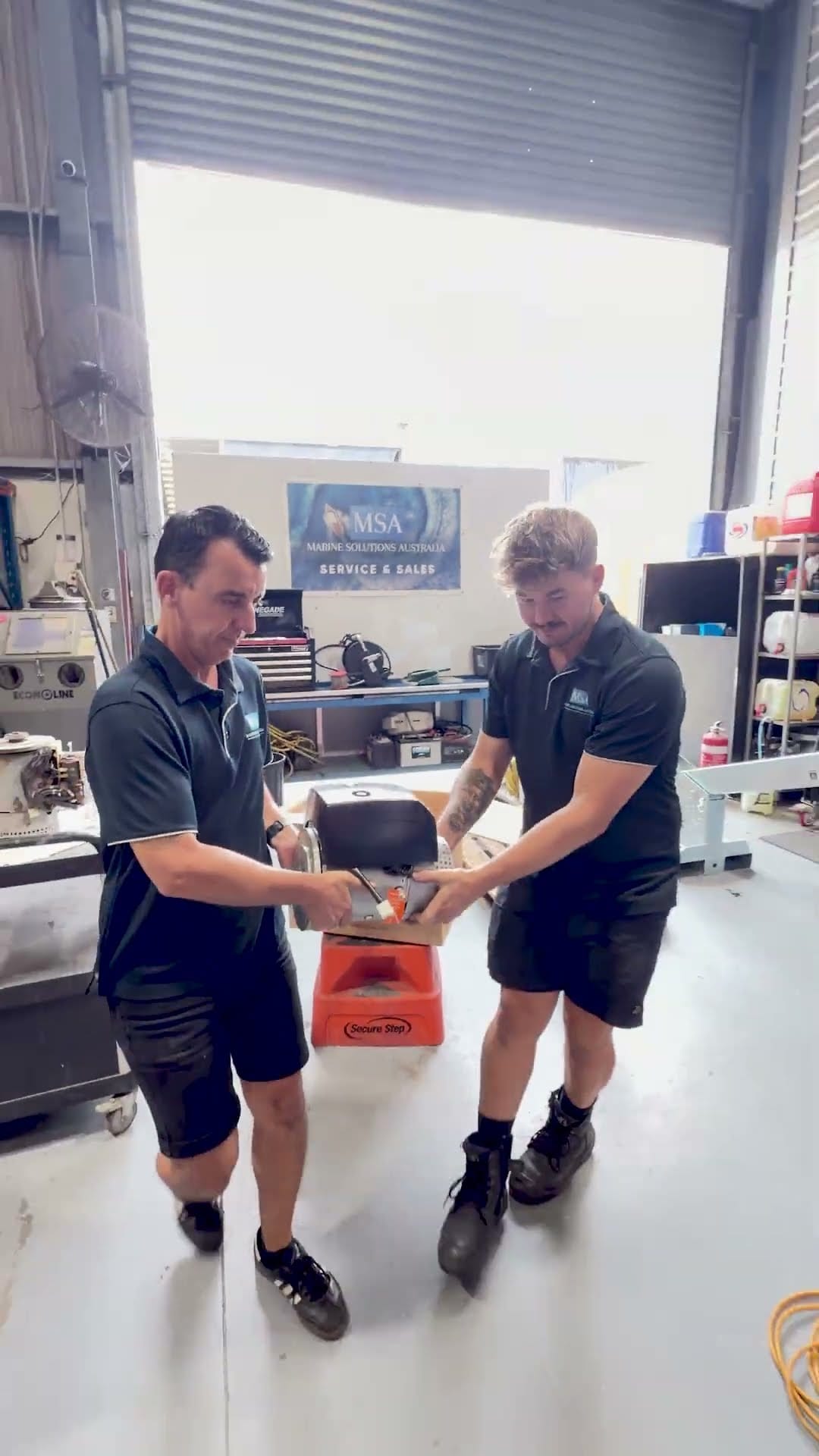
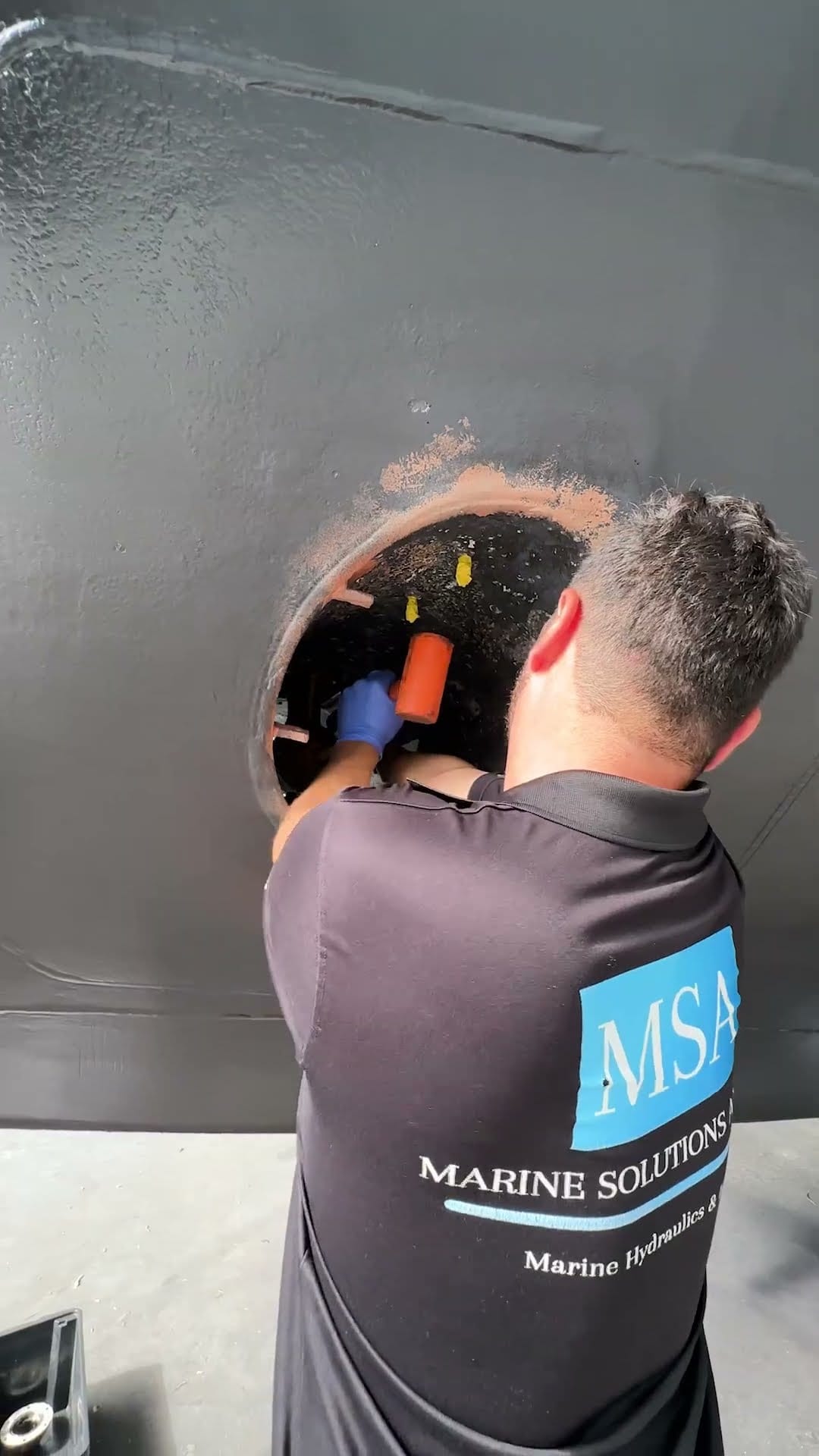
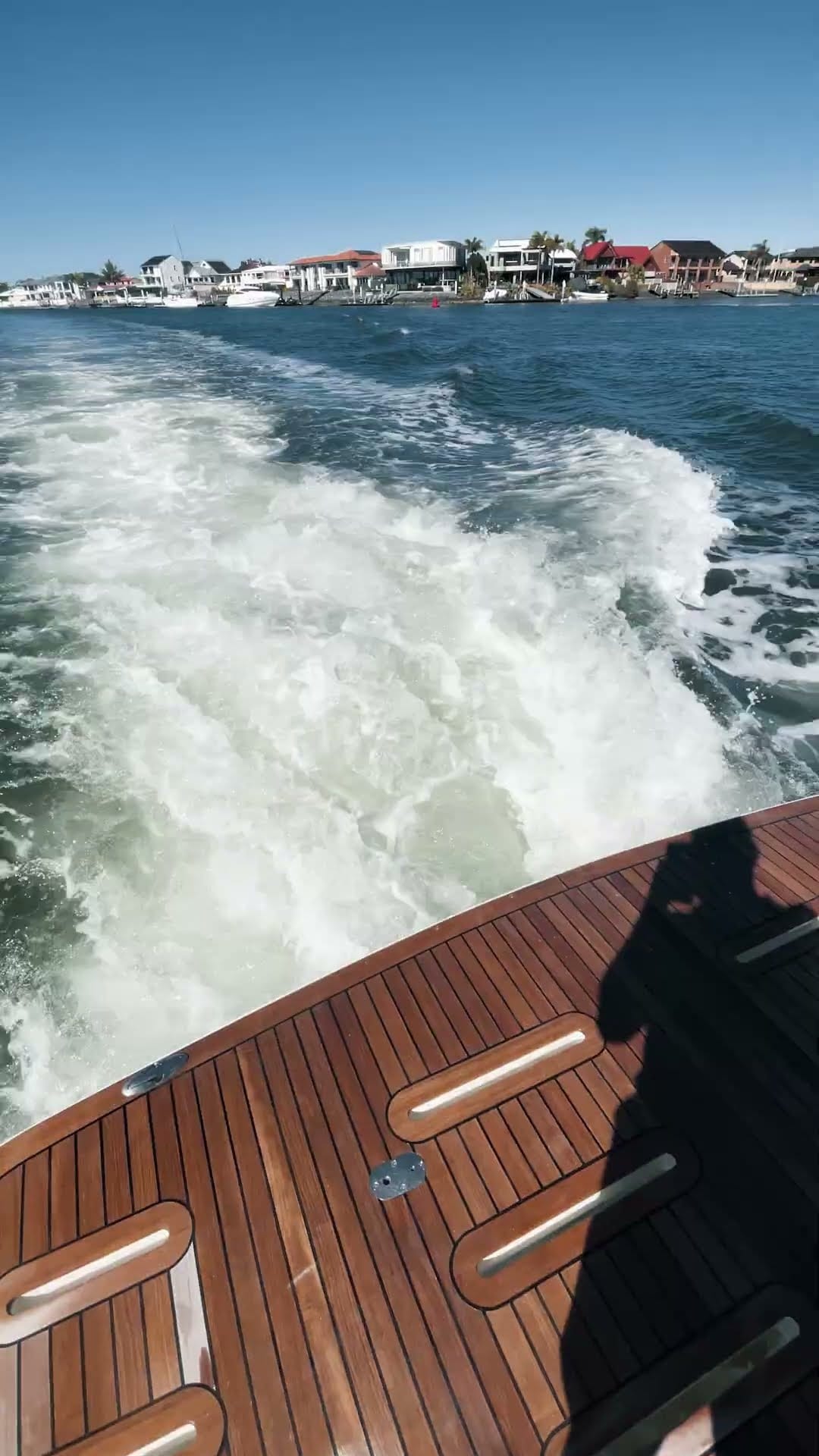
Thrusters and trim, filmed on the job
Short clips from our YouTube channel, from the hardstand to the sea trial.
What owners ask before fitting a thruster or stabiliser
Cost factors, whether a thruster is worth it, fitting one to your hull, servicing, and fin versus gyro stabilisers.
How much does it cost to install a bow thruster?
Installation cost turns on the vessel and the system, and the spread is real. Vessel size sets the thrust and tunnel diameter required; internal tunnel, external and retractable units are different amounts of work; and electric versus hydraulic drive changes the parts bill. Tunnel installs need hull cutting, glassing and fairing, while retractable and hydraulic systems cost more in parts and labour but suit larger or continuous-duty vessels. The quote is written after we’ve assessed your boat: call 07 5612 7161 for a realistic range for your hull and the work involved.
Is a bow thruster worth it?
For most owners who berth single-handed, in tight marinas or in cross-winds and current, yes, a thruster turns a stressful docking into a controlled one and reduces the risk of expensive contact with the dock or other vessels. It also makes the boat far easier for a partner or guest crew to handle. The payback is in confidence and avoided damage rather than fuel or resale alone, though a well-fitted, genuine system does protect resale value.
Can you add a bow thruster to any boat?
Most vessels can take a thruster, but the right type depends on the hull. Boats with enough forefoot depth suit an internal tunnel thruster; shallow or fine-bowed hulls, or boats where a tunnel isn’t practical, can use an external or retractable unit instead. We assess the hull, structure and available space, then recommend the option that fits, including on alloy and steel hulls. If a tunnel isn’t viable, there’s almost always a workable alternative.
How long do bow thrusters and stabilisers last, and how often do they need servicing?
A quality thruster or stabiliser lasts many years with correct servicing. Electric thrusters have brushes, seals and a gearleg that wear and should be checked annually, with the gearleg oil changed and anodes replaced on schedule; hydraulic systems and stabiliser fins need seal and fluid checks and periodic calibration. Most issues we see come from skipped servicing or corrosion, not the unit itself, a yearly service while the boat is hauled keeps the system reliable and the warranty intact.
What’s the difference between fin stabilisers and a gyro?
Fin stabilisers use hydraulically or electrically actuated fins on the hull to counter roll, they’re very effective both at anchor (zero-speed) and underway, but require through-hull fittings. A gyro stabiliser is a sealed spinning flywheel mounted inside the boat with no hull penetration; it’s excellent at anchor and good underway, and is simpler to retrofit. Fins generally give more roll reduction at speed; gyros suit owners who want no external appendages. We’ll recommend the right approach, sometimes a combination, for your hull and how you use the boat.
Do you service thrusters and stabilisers you didn’t supply?
Yes. We service and repair all major brands, Sleipner Side-Power, Vetus, Lewmar, Quick and others, whether or not we supplied the system. That covers diagnostics, seal and gearleg rebuilds, hydraulic repairs, control faults and calibration. We also carry genuine Sleipner Side-Power parts and factory support for those systems.
Didn’t find your answer? Call 07 5612 7161 (Mon to Fri 8:30am-4pm) or contact us. We’re happy to talk it through.
Docking shouldn’t be the hard part
Sizing is where thruster and stabiliser projects are won or lost, so that is where we start: your hull and how you use the vessel first, then the right system for the job, installed, commissioned and serviced with genuine Sleipner Side-Power parts and factory warranty behind it.